A comfortable home should maintain reasonably consistent temperatures without forcing the heating and cooling system to work constantly. Improvements to the roof, windows, landscaping, HVAC equipment, and outdoor areas can help limit unwanted heat gain and heat loss while making living spaces more pleasant. Some upgrades can also reduce maintenance demands or help homeowners make better use of natural shade and renewable energy.
The most effective approach is to look at how different parts of the property work together rather than treating every improvement as a separate project. Before investing in an upgrade, homeowners should consider the home’s current condition, the local climate, and which areas contribute most to discomfort or energy waste. With a thoughtful plan, even relatively simple improvements can contribute to a more efficient home and more comfortable living spaces throughout the year.
Block Excess Sunlight Before It Heats Your Home
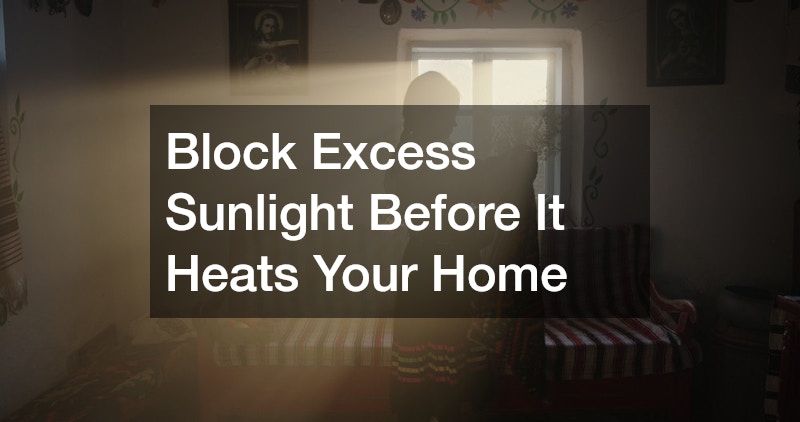
Windows that receive direct sunlight can contribute significantly to indoor heat gain, particularly during the hottest parts of the day. Instead of relying entirely on air conditioning to compensate, homeowners can reduce the amount of solar heat entering through the glass.
Outdoor solar shades are one option for blocking sunlight before it reaches the window. Exterior shading can be particularly useful for windows facing the afternoon sun. Depending on the design, shades can also provide privacy while still allowing some natural light into the room.
When evaluating window shading, consider:
- Which windows receive the most direct sunlight.
- The time of day those windows receive sunlight.
- Whether visibility from inside matters.
- How easily the shades can be adjusted.
- The durability of the materials.
- Whether the shades can remain in place during changing weather.
Homeowners should avoid treating every window the same. A shaded north-facing window may have very different needs from a west-facing window exposed to strong afternoon sunlight.
Combining exterior shading with curtains, blinds, efficient windows, and other improvements can further reduce unwanted heat gain without making rooms excessively dark.
Protect the Roof From Unwanted Heat Transfer
The roof plays an important role in how much heat enters or leaves a home. During hot weather, a poorly performing roof can contribute to high attic temperatures. During colder periods, inadequate insulation and ventilation can allow conditioned air to escape more readily.
Homeowners should inspect the roof and attic together rather than considering the roof covering by itself. Damaged roofing, inadequate ventilation, and insufficient insulation can all contribute to uncomfortable rooms.
When evaluating the roof, look for:
- Damaged or missing roofing materials.
- Signs of moisture intrusion.
- Excessive attic heat.
- Poor attic ventilation.
- Deteriorated insulation.
- Areas where indoor temperatures differ significantly.
Roofing contractors can evaluate the condition of the roof and identify improvements that may affect durability and energy performance. Ask about ventilation, insulation, roofing materials, and how proposed work could affect the home’s overall thermal performance.
A roof upgrade should address the conditions beneath the exterior surface as well. Simply installing new roofing materials may not resolve comfort problems caused by inadequate insulation or ventilation.
Know When a New Roof Makes Sense
Not every older roof needs immediate replacement, but significant deterioration can create opportunities to improve both durability and efficiency. Leaks, widespread damage, recurring repairs, or materials approaching the end of their expected service life may indicate that a larger project deserves consideration.
A roof replacement can provide an opportunity to evaluate several components at once. Homeowners can discuss insulation, ventilation, reflective roofing materials, and other options before new materials are installed.
Before moving forward, consider:
- The current age and condition of the roof.
- The extent of existing damage.
- Previous repair history.
- Attic insulation levels.
- Ventilation conditions.
- Local weather patterns.
- Expected lifespan of replacement materials.
Energy efficiency should be one factor in the decision, not the only reason to replace a roof that remains structurally sound. If the existing roof is performing adequately, smaller improvements may provide a more practical starting point.
For a roof that already requires substantial work, however, incorporating efficiency improvements into the project can prevent homeowners from having to revisit the same area later.
Prepare for Outages Without Overusing Energy
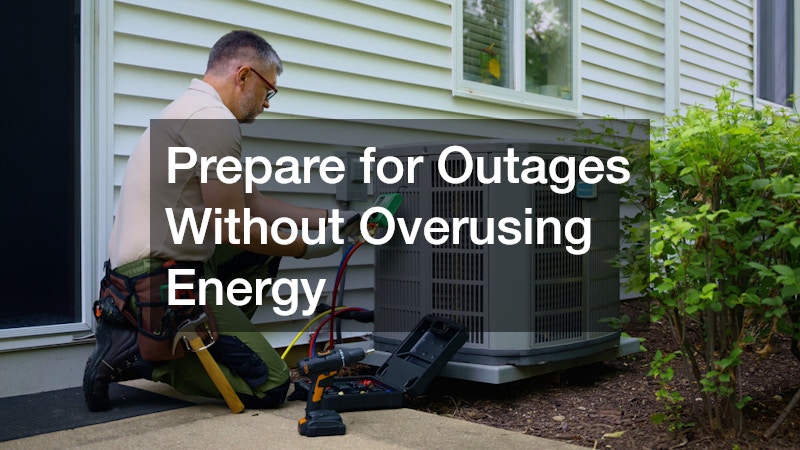
Power interruptions can make maintaining a comfortable home more difficult, especially during periods of extreme heat or cold. A backup generator can keep essential systems operating, but homeowners should first determine how much power they actually need.
A generator supplier can help homeowners compare equipment based on electrical capacity, fuel type, installation requirements, and intended use. The right size depends on the appliances and systems that need to operate during an outage.
Before selecting backup equipment, make a list of priorities such as:
- Heating or cooling equipment.
- Refrigerators and freezers.
- Medical equipment.
- Sump pumps.
- Essential lighting.
- Communication equipment.
Trying to power every appliance may require substantially more capacity than necessary. Prioritizing essential systems can make backup power more practical.
Homeowners should also consider maintenance, fuel storage, noise, ventilation, and local installation requirements. Backup equipment should be installed and operated according to applicable safety requirements.
A generator is primarily a resilience investment rather than an energy-efficiency upgrade. However, thoughtful planning can prevent unnecessary energy consumption during an outage while keeping essential household systems available.
Reduce Outdoor Water and Maintenance Demands
Landscaping affects more than curb appeal. Large areas of water-intensive grass and plants that are poorly suited to local conditions can require substantial irrigation and maintenance.
Xeriscaping can provide an alternative approach by using plants and landscaping techniques suited to the local climate. Homeowners considering xeriscaping services can discuss ways to reduce irrigation needs while maintaining an attractive outdoor environment.
A more efficient landscape may include:
- Native or climate-adapted plants.
- Mulched planting areas.
- Efficient irrigation.
- Reduced lawn areas.
- Grouped plants with similar water needs.
- Properly prepared soil.
Homeowners should consider how much maintenance they realistically want to perform before redesigning the landscape. A low-water landscape can still require pruning, weeding, irrigation maintenance, and seasonal care.
Landscaping can also influence the home’s comfort. Plants and hardscape features can provide shade and reduce heat around outdoor living areas, depending on their placement.
Reducing unnecessary irrigation and maintenance can make the property easier to manage while complementing other efficiency improvements around the home.
Prevent Pest Problems That Affect Home Performance
Pest problems can cause damage to building materials, insulation, and other parts of a home’s structure. Certain pests are also attracted to moisture, vegetation, and openings around the exterior, making routine property maintenance an important part of prevention.
Homeowners should inspect areas where pests could enter or cause hidden damage. Attics, crawl spaces, foundations, rooflines, and areas around utility penetrations deserve particular attention.
Watch for:
- Damaged wood.
- Small holes.
- Droppings.
- Nesting materials.
- Moisture problems.
- Gaps around openings.
- Unusual activity near foundations.
Professional pest control may be appropriate when an infestation is present or when recurring problems cannot be addressed through ordinary maintenance.
Homeowners should also address conditions that contribute to pest activity. Fixing leaks, improving drainage, trimming vegetation away from structures, and sealing appropriate openings can reduce potential entry points.
Pest prevention is not typically viewed as an energy upgrade, but maintaining the building envelope and preventing damage can support the home’s overall condition. Keeping structural components and insulation in good shape can help preserve the performance of other efficiency improvements.
Keep Heating and Cooling Systems Working Efficiently
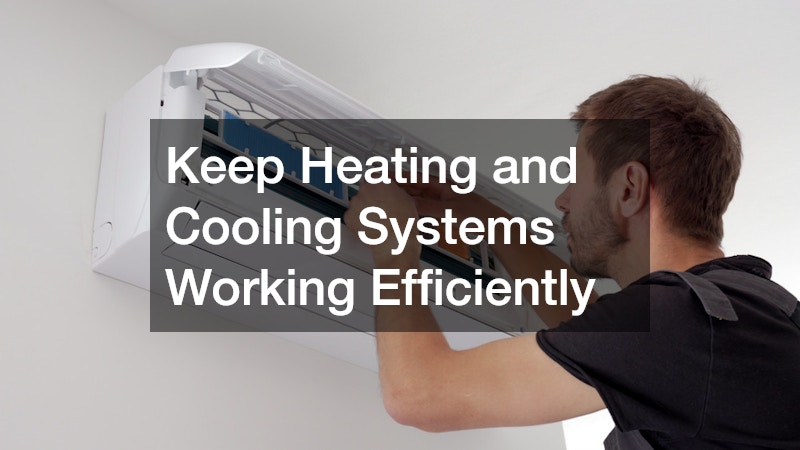
Heating and cooling equipment has a direct effect on both energy consumption and indoor comfort. An HVAC system that struggles to maintain the desired temperature may be dealing with mechanical problems, restricted airflow, duct issues, or other conditions.
Homeowners should pay attention to changes in system performance rather than waiting for complete failure. Rooms that suddenly become difficult to cool or heat can indicate a problem that needs attention.
Potential warning signs include:
- Unusual noises.
- Poor airflow.
- Frequent cycling.
- Uneven temperatures.
- Unusual odors.
- Increasing energy use.
- Difficulty reaching the thermostat setting.
HVAC repairs may address specific problems without requiring a complete system replacement. A qualified professional can evaluate the equipment and determine whether repair or replacement makes more sense.
Homeowners should also keep vents unobstructed and follow the manufacturer’s recommendations for routine maintenance. Replacing filters at appropriate intervals can help maintain airflow, although the correct schedule depends on the equipment and filter.
Improving the home’s insulation, windows, shading, and roof can also reduce the workload placed on the HVAC system. Looking at the entire home can therefore be more effective than focusing on the equipment alone.
Understand How Solar Power Can Support Efficiency
Generating electricity at home can change how a property meets its energy needs. Solar panels can use sunlight to produce electricity, potentially reducing the amount of electricity a household needs to obtain from the grid.
Homeowners considering solar power benefits should first understand their current energy consumption. Reviewing utility bills can help identify how much electricity the household uses and when demand is highest.
Several factors can affect whether solar is practical:
- Available roof space.
- Roof orientation.
- Shading.
- Local sunlight conditions.
- Household electricity consumption.
- Equipment requirements.
- Available incentives or programs.
Solar generation and energy efficiency are related but different. Reducing electricity consumption can lower household demand, while solar panels generate electricity to help meet that demand.
This means homeowners do not necessarily have to choose between efficiency upgrades and solar. Improving insulation, reducing heat gain, and maintaining efficient HVAC equipment can lower the amount of electricity the home needs while solar generation helps supply the remaining demand.
Battery storage is another consideration for homeowners who want to use stored electricity during outages or when solar production is unavailable. Its suitability depends on the household’s goals and electrical requirements.
Use Trees Strategically for Natural Shade
Trees can provide natural shade that reduces direct sunlight on portions of a home and outdoor living areas. However, planting a tree in the wrong location can create maintenance or structural problems later.
Before planting, homeowners should consider the mature size of the tree, its distance from the house, and how its branches may eventually interact with the roof, power lines, windows, and other structures.
Local tree services can assist with pruning, removal, and other maintenance when trees become difficult or unsafe for homeowners to manage themselves.
Consider these factors when planning tree placement:
- Direction of afternoon sunlight.
- Mature tree height and canopy width.
- Distance from the foundation.
- Proximity to utility lines.
- Potential root growth.
- Seasonal shade patterns.
- Long-term maintenance needs.
Deciduous trees can provide shade during warmer months while allowing more sunlight through after losing their leaves. Evergreen trees provide year-round coverage but may create different shading and maintenance considerations.
Trees should not be planted solely for immediate shade. Their future growth matters just as much. Strategic placement can provide useful shade over time without creating avoidable problems around the structure.
Coordinate Improvements for Better Year-Round Comfort
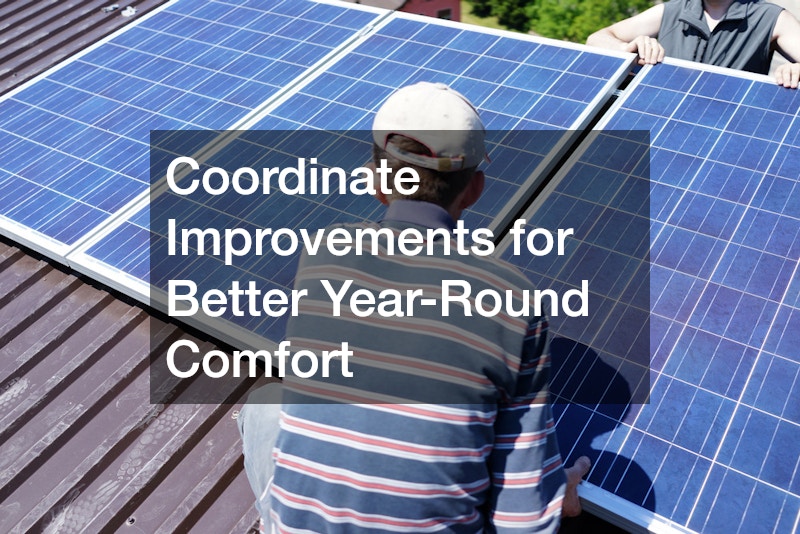
The most effective energy improvements often work together. A homeowner may get limited results from upgrading one component if another major source of heat gain, heat loss, or energy waste remains unresolved.
Start by identifying the home’s biggest comfort problems. If one room is consistently hotter than the rest of the house, investigate possible causes before purchasing new equipment or materials.
A practical priority list might include:
- Addressing roof or moisture problems.
- Improving insulation and ventilation.
- Reducing direct solar exposure.
- Repairing HVAC problems.
- Improving landscaping and natural shade.
- Considering renewable energy.
- Maintaining the home’s exterior.
Homeowners do not have to complete every improvement at once. A phased approach can make larger projects easier to budget and coordinate.
It is also useful to monitor the home after completing an upgrade. Pay attention to room temperatures, HVAC operation, utility consumption, and maintenance requirements. For larger projects, forklift rental services may also be useful when contractors need to move heavy materials safely around the property.
The goal is not simply to install as many energy-saving products as possible. The goal is to create a home that uses energy more effectively while remaining comfortable, practical, and manageable throughout the year.
Energy-saving improvements can make a home more comfortable while reducing unnecessary energy use. Roof maintenance, better shading, efficient landscaping, HVAC upkeep, and thoughtful solar planning can all contribute to better year-round performance. Homeowners can prioritize projects based on the property’s specific problems rather than trying to upgrade everything at once. Looking at how these improvements work together can produce better results and help create a home that is more comfortable, efficient, and easier to maintain.