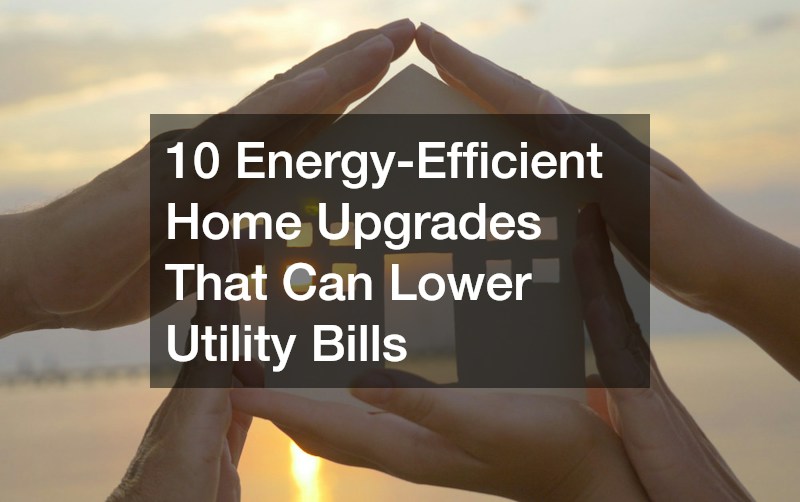
Energy costs can be a significant portion of household expenses, but with the right home upgrades, homeowners can minimize these costs and increase their home’s energy efficiency. Explore these ten energy-efficient upgrades that not only enhance your home’s value but also lower your utility bills. By investing in these upgrades, you can play your part in reducing your carbon footprint while enjoying a more comfortable living environment.
1. How can upgrading your home’s siding improve energy efficiency?
Upgrading your home’s siding can significantly enhance its energy efficiency by providing better insulation, reducing heat loss in winter and heat gain in summer. Modern insulated siding materials are designed to withstand various weather conditions, ensuring long-lasting energy savings. Choosing the right siding option not only contributes to your home’s aesthetics but also supports overall energy conservation efforts.
The benefits of modern insulated siding go beyond just aesthetics, with improved thermal performance playing a crucial role in reducing your energy bills. High-quality siding materials create an airtight barrier, preventing drafts and helping your home’s HVAC system operate more efficiently. As a result, homeowners can enjoy a more comfortable indoor climate and reduced strain on HVAC systems, translating into lower maintenance and repair costs.
To maximize the benefits of your siding investment, it’s essential to select materials that align with your specific climate needs and budget. Options like fiber cement or insulated vinyl can offer varying degrees of thermal resistance, impacting the overall energy-saving potential. Regular maintenance, including cleaning and timely repairs, ensures that siding remains effective over the years, providing a return on investment in terms of both energy savings and home value.
2. What role does a roof contractor play in enhancing energy efficiency?
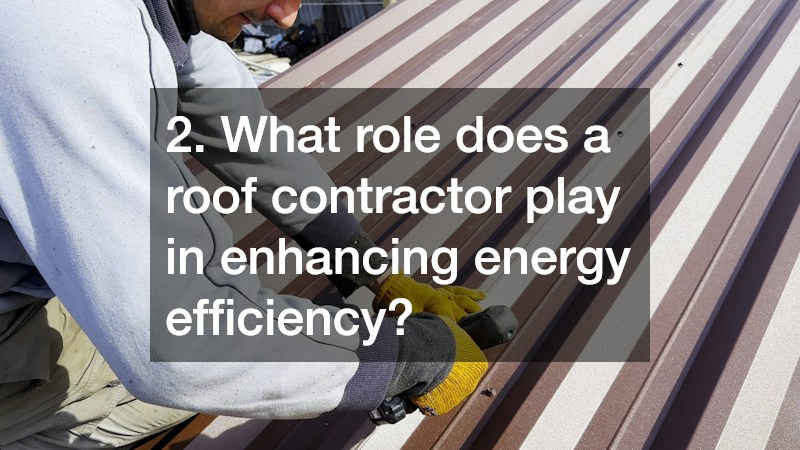
A skilled roofing contractor is pivotal in choosing and installing energy-efficient roofing materials that can significantly reduce energy costs. Materials such as cool roofs reflect more sunlight and absorb less heat, keeping interiors cooler during hot seasons. The expertise of a roofing contractor ensures the correct installation and optimal function of these materials, maximizing their energy-saving potential.
Energy-efficient roofing materials, including reflective membranes and coatings, contribute to reducing the urban heat island effect, benefiting both the environment and your comfort. By investing in these materials, homeowners can experience significant reductions in cooling costs, which is particularly beneficial during summer months. Roofing contractors also play a role in advising on insulation and ventilation systems that complement roofing materials, further enhancing overall efficiency.
Regular maintenance and inspection by a roofing contractor are crucial to ensuring that roofing systems continue to perform efficiently over their lifespan. Identifying and repairing minor damage early can prevent major issues, extending the life of the roof and preserving its energy-saving capabilities. By scheduling periodic check-ups, homeowners can safeguard their investment and continuously reap the benefits of energy-efficient roofing.
3. Are gutters important for energy efficiency?
Properly maintained rain gutters are essential for protecting a home’s foundation and reducing moisture-related issues that can compromise energy efficiency. Efficient water management through gutters prevents water buildup around the property, reducing the risk of foundation damage and basement floods. This proactive measure ensures that heating systems don’t work harder to compensate for damp indoor environments, ultimately saving on energy costs.
Diversifying the types of rain gutters to include seamless or covered varieties can reduce the maintenance burden and prevent debris clogs that could otherwise impede water flow. Energy-efficient rain gutters direct water away from the home, alleviating pressure on walls and preventing cracks that could allow drafts. Such preventive measures enhance the home’s envelope, maintaining consistent indoor temperatures and easing the workload on HVAC systems.
Installing rainwater collection systems can further enhance energy efficiency by utilizing harvested rainwater for non-potable uses, reducing the need for energy-intensive water treatment and supply. By following best practices in gutter installation and maintenance, homeowners can contribute to both water conservation and energy savings. Collaborating with professionals ensures proper system setup, optimizing both water management and energy efficiency.
4. How does regular HVAC Service contribute to lower energy bills?
Regular AC repair and maintenance are critical for ensuring that air conditioning systems operate at peak efficiency, reducing energy consumption. Preventative maintenance tasks such as cleaning filters and tuning up components help to avoid energy-wasting issues, preserving the system’s longevity and performance. By keeping the AC in top condition, homeowners can avoid costly repairs and enjoy lower utility bills throughout the cooling season.
Identifying and addressing common efficiency issues like refrigerant leaks, faulty thermostats, or clogged filters can significantly enhance the AC’s performance. Effective AC repair practices not only improve cooling but also enhance indoor air quality by allowing the system to filter and circulate air effectively. As part of regular servicing, technicians can also upgrade systems with the latest energy-saving technologies, such as programmable thermostats and smart meters.
Latest energy-saving cooling technologies, including variable-speed motors and advanced thermostatic controls, can dramatically reduce energy use while maintaining comfort. Such innovations allow AC systems to adapt their output to current conditions, minimizing energy waste. Collaborating with trusted professionals provides homeowners with access to the most efficient solutions, ensuring that cooling systems not only last longer but also cost less to run.
5. Why are water heater services crucial for energy conservation?
Water heater repair services play a vital role in identifying and correcting inefficiencies that lead to excessive energy use and higher bills. Issues such as sediment buildup or faulty heating elements can significantly reduce water heater efficiency, necessitating more energy to reach desired temperatures. Professional repairs help restore optimal function and, consequently, energy savings for homeowners.
Choosing energy-efficient water heaters, such as tankless models or those with high Energy Star ratings, offers long-term benefits by using energy only when hot water is needed rather than continuously heating a tank’s worth. These systems provide an endless stream of hot water while minimizing standby energy loss, contributing to lower energy bills. Investing in high-efficiency units can yield substantial savings, often recouping costs over the appliance’s lifespan.
Regular maintenance tips for longevity include periodic flushing to remove mineral deposits, inspecting pressure valves, and insulating pipes or tanks to retain heat. By implementing these practices, homeowners can prevent heat loss, maintain efficient operation, and extend the appliance’s life. Engaging with professional services ensures thorough checks and updates, allowing water heating systems to operate sustainably and economically.
6. What benefits do shutters provide for energy efficiency?
Storm shutters offer significant insulation advantages, adding a protective barrier against harsh weather and reducing heat exchange through windows. By preventing direct wind and rain exposure, storm shutters maintain interior temperatures and reduce reliance on heating or cooling systems. This additional shield also protects window integrity, minimizing air leaks and enhancing overall energy efficiency.
Available in various types, such as rolling, accordion, or colonial, storm shutters provide homeowners with options that balance aesthetic preferences with functional needs. Each shutter type offers varying degrees of protection and should be chosen based on the home’s specific exposure to extreme weather. Professional installation ensures that shutters function optimally, providing energy savings throughout the year.
Installation best practices emphasize proper sizing and secure mounting to ensure that shutters can withstand impact and remain effective in insulating against temperature fluctuations. Regular checks and maintenance preserve the condition and performance of storm shutters. By investing in high-quality materials and professional installation, homeowners can significantly enhance their home’s insulation, contributing to lower energy bills and added safety.
7. How can consulting with a window contractor lower utility bills?
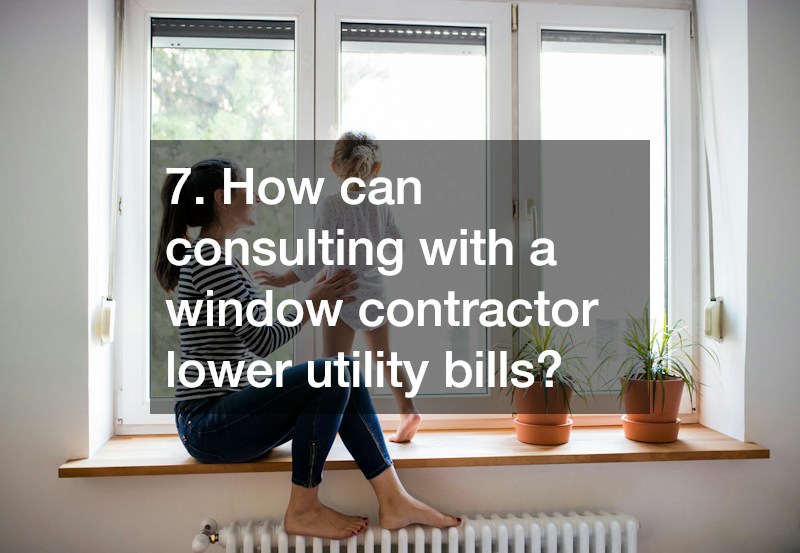
Consulting with a window company allows homeowners to access expert advice on selecting energy-efficient windows designed to reduce heat loss and gain. Double or triple-glazed windows with low-emissivity coatings minimize the need for space heating and cooling, significantly impacting energy consumption. By choosing windows that offer superior thermal performance, utility bills can be lowered, improving household savings.
Window treatments, such as blinds, shades, or reflective films, complement energy-efficient windows by enhancing temperature regulation and privacy. These treatments can block or reflect solar heat, ensuring interiors remain comfortable while reducing air conditioning reliance. A window company can provide specialized knowledge on how to effectively integrate treatments, matching them with window types for maximum efficiency.
Professional installation insights highlight the importance of precise fitting and proper sealing to prevent drafts and energy leaks. By relying on experienced professionals, homeowners can ensure that new windows achieve their full energy-saving potential. This collaboration not only optimizes thermal performance but also enhances the home’s overall aesthetics and resale value.
8. What is the impact of an energy-efficient garage door?
Energy-efficient residential garage doors offer insulation and material options that prevent thermal leakage, maintaining optimal indoor temperatures. Well-insulated garage doors reduce drafts and heat escape, supporting HVAC systems and contributing to lower energy bills. Materials such as fiberglass or foam-filled steel are popular choices that balance durability with energy performance.
Automation and smart door systems enhance energy efficiency by providing homeowners with control over garage access and lights, reducing unnecessary usage. These systems allow for scheduled open and close functions, integrating with home automation setups to optimize energy consumption. By adopting smart technologies, homeowners can operate garage spaces efficiently, minimizing energy waste.
Regular upkeep and energy savings go hand-in-hand with tasks such as lubricating moving parts and inspecting seals being crucial for performance. Simple maintenance can prevent wear that might otherwise compromise energy efficiency, extending the door’s lifespan. Working with specialists ensures garage doors remain in prime condition, consistently delivering energy benefits to the household.
9. How do plumbers contribute to a home’s energy efficiency?
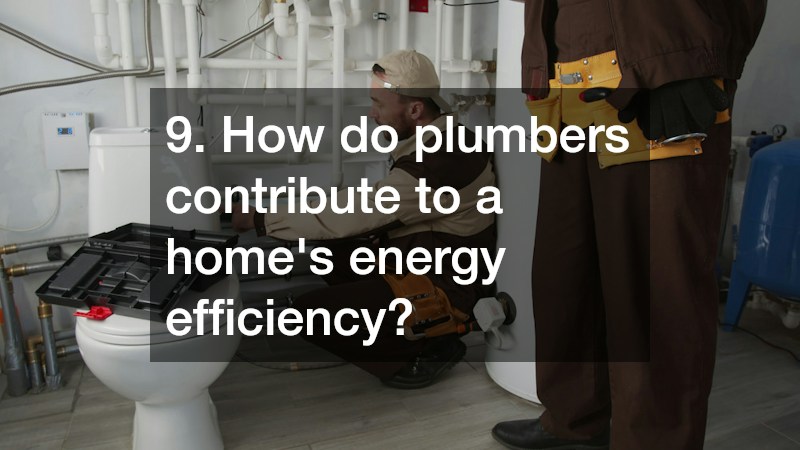
Local plumbers play an essential role in inspecting and repairing leaks that, if left unaddressed, can lead to water wastage and decreased heating efficiency. By ensuring that plumbing systems are leak-free and well-maintained, plumbers help mitigate inefficiencies that contribute to higher energy demands. Homeowners benefit from cost savings and reduced environmental impact through proactive leak management.
Installing water-saving fixtures, such as low-flow toilets and efficient showerheads, allows households to conserve water and reduce the energy required for heating. These innovations lower daily water consumption, aligning with broader energy conservation efforts. Local plumbers bring expertise in selecting and installing fixtures that maximize savings without sacrificing performance.
Advice on pipe insulation is another domain where local plumbers contribute to energy efficiency, preventing heat loss and reducing the energy required for water heating. By insulating exposed pipes, hot water reaches taps more readily, reducing the wait time and associated energy costs. Professional input ensures that insulation meets standards, optimizing both water and energy efficiency for the household.
10. What impact can hydro jetting have on efficiency?
Hydro jetting service is a powerful cleaning solution for plumbing systems, using high-pressure water jets to remove blockages and build-ups that impede flow and efficiency. By maintaining clean pipelines, water moves smoothly, reducing the energy required for transport and heating. This service can extend the lifespan of plumbing systems by preventing significant obstructions and breakdowns.
Regular plumbing maintenance benefits, such as those provided by hydro jetting, prevent costly repairs and preserve the efficiency of waste and water systems. Clean pipes ensure consistent water pressure and prevent overexertion of heating systems, conserving energy in the process. Homeowners can save by reducing the risk of major plumbing issues that often necessitate energy-intensive repairs.
Prevention of major plumbing issues through hydro jetting avoids emergency repairs and contributes to sustained energy savings by maintaining optimal flow through the plumbing network. The use of hydro jetting service promotes a proactive approach to maintenance, targeting potential problems before they impact home efficiency. By engaging with trained professionals, homeowners ensure that their systems remain clean, efficient, and environmentally friendly.
Investing in energy-efficient home upgrades is a forward-thinking decision that offers a multitude of benefits for homeowners. Not only does it lead to significant reductions in your utility bills, thus saving you money over time, but it also plays an important role in promoting environmental sustainability. By adopting energy-conscious practices, you are contributing to a more sustainable future by lowering your household’s carbon footprint and conservation of natural resources.
Embarking on this journey involves considering a variety of actionable steps, as outlined above. These can include upgrading insulation, installing energy-efficient windows, adopting smart home technologies, or transitioning to energy-efficient appliances and lighting. Furthermore, the positive impact of these upgrades extends beyond immediate energy savings. For instance, energy-efficient structures tend to require less maintenance and often have a longer lifespan, ultimately adding to the durability of your investments.
For those new to energy-efficient renovations, or for existing homeowners looking to enhance current systems, seeking advice from seasoned professionals can be invaluable. Experts in the field can provide insights into the latest technologies and strategies, ensuring that your upgrades are tailored to the specific needs and unique structure of your home. This ensures that your house operates at peak efficiency, contributing to comfort and convenience for you and your family.
By making these conscientious choices, you not only support a greener lifestyle but also enhance the overall comfort and value of your home. Ultimately, investing in energy-efficient upgrades is as much about improving the quality of life as it is about conserving energy and resources. Over time, these enhancements can lead to a more enjoyable living environment and make your home a more appealing, marketable asset should you decide to sell in the future. By choosing to prioritize energy efficiency, you are making an investment in the planet as well as in your personal well-being and financial security.